
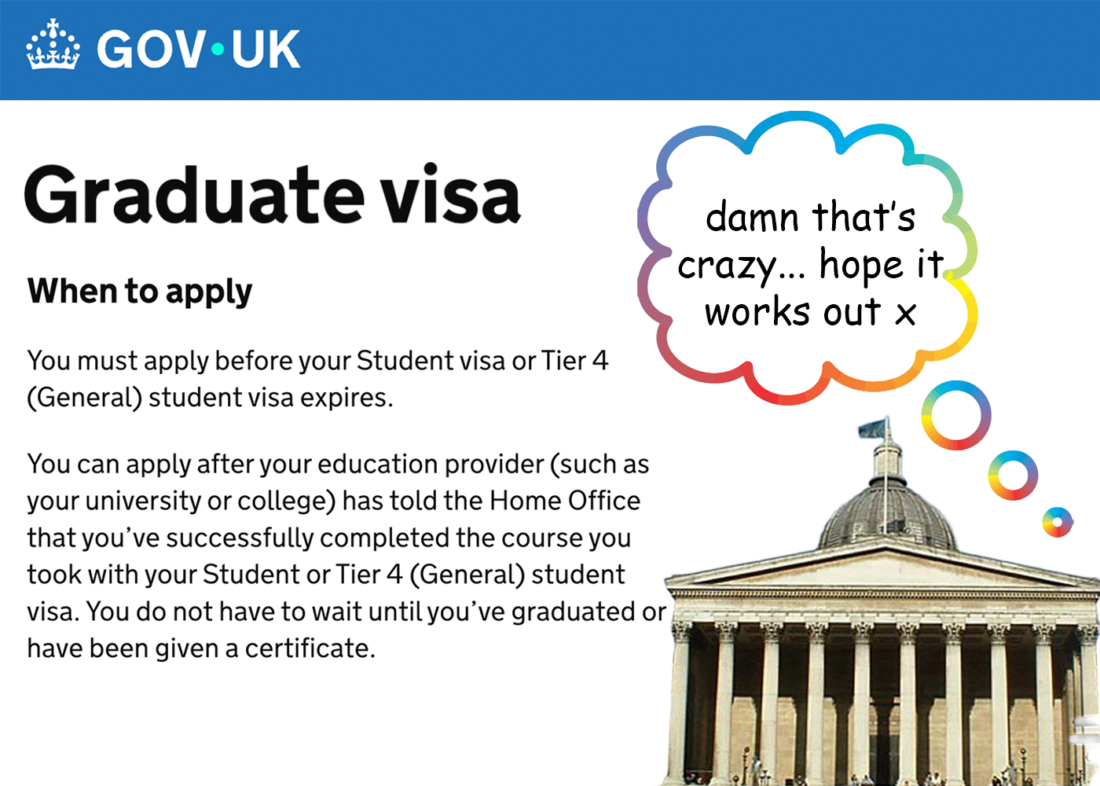
MARIUS BOMMIER used the new Delayed Assessment Permit (DAP) procedure to move back the deadlines for some coursework after the death of a close relative in the 2025 final assessment period.
Marius, a European and International Social and Political (ISPS) Studies student, knew that they had passed everything and that their degree was completed by October 2025. However, they did not have the official documentation for their graduate visa applications.
The week when everyone else was receiving their results, they received nothing.
UCL’s own guidelines state that their deadline for processing late summer assessment results is 25 September. They acknowledge that “the sooner the results are confirmed the sooner we can enable progression and allow students to re-enrol”.
UCL did not provide Marius with results by 25 September, leaving them at risk with their visa expiring in less than two weeks. A person cannot apply for a graduate visa from outside of the UK, meaning if Marius’ current visa expired they would be forced to leave with no return.
This would have destroyed their plans to find work in the UK, upending their future and leaving them with no emotional or physical security.
They spent days frantically hassling Student Support and Wellbeing and the visa team, as well as running around London to drop-in legal clinics and their embassy.
Marius told The Cheese Grater that they only felt eventually UCL acted because they made such a fuss, and otherwise no change would have been made.
Marius’ family were travelling outside of their home nation, Switzerland, so Marius would have been left homeless, forced to rely on sofa-surfing.
Death by bureaucracy
Emails between Marius and a member of the ISPS department’s admin team revealed that the process of getting results confirmed is long and bureaucratic.
Student Lifecycle Services (SLS, formerly Student Records) enter confirmation of a student’s progression. The department sends that to its chair to approve. Once the departmental chair has approved it, the student’s faculty must approve it. Lastly, SLS must process it.
Marius told The Cheese Grater that their tutor said that they probably had not received their results because someone “probably forgot” to input them.
They expressed that felt they were being made homeless, “because someone couldn’t click “OK” on Portico sooner”.
Marius realised that the remaining step was being processed by Student Lifecycle Services, which takes five days. Their visa was set to expire in three.
SLS, Marius opined, seemed like a “black box” with no “transparency or accountability”.
They received out of office responses on the phone and by email when they tried to contact the SLS and were told by Student Support and Wellbeing that they would not be let into the office.
UCL’s visa team told Marius that in order to comply with immigration law and not overstay his visa, he would have to leave the country.
Marius claimed that, to the visa team, his homelessness “was a solution institutionally”, despite what it would mean for him personally, because of their duty of compliance with the law.
At the eleventh hour…
After Marius repeatedly chased them, UCL’s visa team reported to the Home Office that Marius’ degree was complete. The visa application was completed with just days remaining on their current visa.
Marius’ job prospects were affected by the affair, as during October, a busy month for graduate scheme applications, they could not declare that they had a right to work in the UK.
Moreover, the experience left them with a bitter taste in their mouth after graduating, precluding them from any celebration.
The more things change, the more they stay the same
Marius had unfortunately gone through similar turmoil the year before.
In June 2024, they submitted one assignment late with extenuating circumstances approved. By the start of the new academic year, however, they still did not have their confirmation of progression of studies approved.
The confirmation of progression of studies is a document needed to obtain a Confirmation of Acceptance of Studies (CAS), which is necessary for a student visa.
Marius’ visa expired on 5 October. They received their confirmation of progression moments too late: on the morning of 6 October. This meant that Marius had overstayed their UK visa.
Left in a catch-22: they could not obtain their CAS while overstaying as UCL’s visa team had to comply with the law, but they could not obtain their visa without a CAS.
Marius was faced with a choice.
They could return to an EU country, admit they had overstayed their visa, and reapply from there.
Otherwise, they could try for appeal under the claim of institutional error, but this came at a risk. If they remained in the UK for this and were rejected, they would have overstayed longer than they would legally be allowed to.
At this point, UCL had the Confirmation of Acceptance ready to send, but were legally unable to do so to a student without the right to study in the UK.
Marius left for Paris to stay with a friend on 10 October. After two weeks of waiting for the CAS and subsequent visa applications, Marius eventually returned to UCL.
The situation greatly affected how welcome they felt at UCL and in the UK, how much they enjoyed their course, and even impacted their ability to make new friends in those crucial first few weeks of term.
Marius warned that the DAP procedure has made it easy for students to delay assessments, without a good level of information regarding the serious immigration consequences it might have.
They are urging an internal review of the DAP process and for Student Lifecycle Services to increase transparency to avoid other students ending up in the same situation they did.
A UCL spokesperson said told The Cheese Grater:
“For all our international students, we have a duty to alert them to mat- ters that relate to their visa status and this includes the possible consequences of overstaying. This ensures students are well-informed so they can take the necessary steps to remain in the UK and within the law.”